
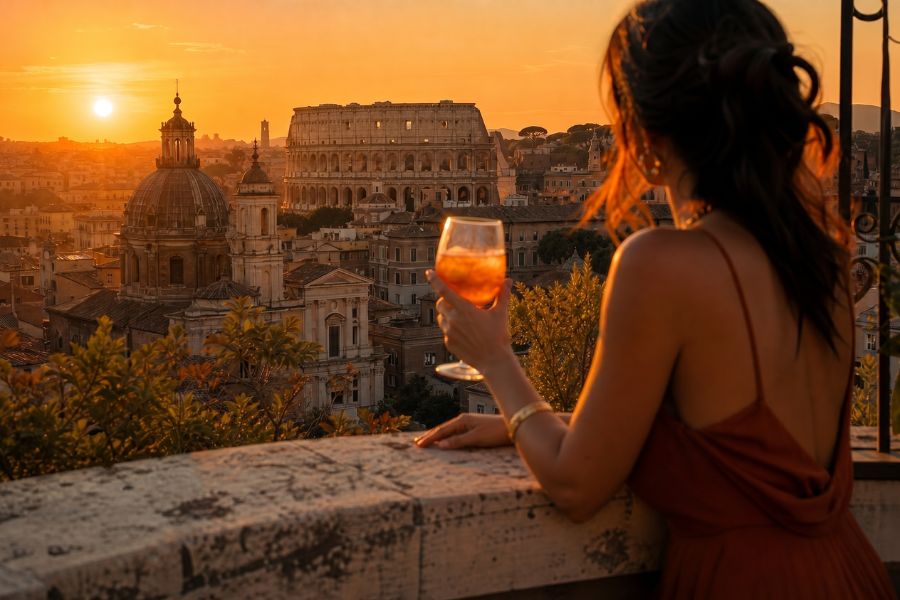
Planning Your First Trip to Italy
Forget trying to see the whole country in ten days – this route focuses on the best of the best: Rome, Florence, and Venice. From the shadows of the Colosseum to the hidden bridges of Venice, we’re keeping it simple and attainable. This is the perfect first-timer’s guide to the history and charm of Central and Northern Italy.
Affiliate Disclaimer:
This post contains affiliate links. If you make a purchase through these links, I may earn a small commission at no extra cost to you. Read my full Disclosure here
Days 1–3: The Eternal City of Rome
The Strategy:
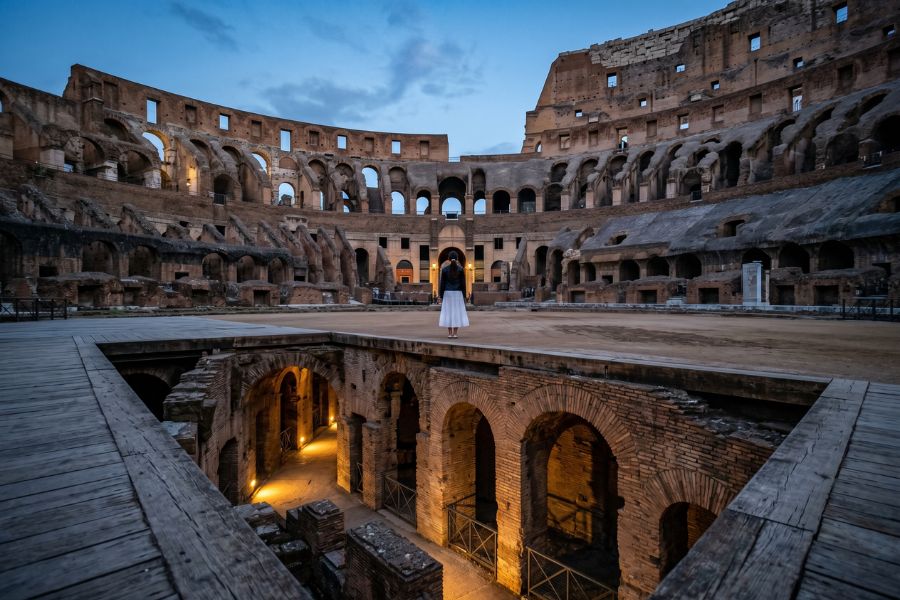
Skip the five-hour line at the Colosseum by booking a tour in advance. It is the only way to see the underground floor without losing half your day to the sun. If you want those empty-fountain photos at the Trevi Fountain or the Spanish Steps, you need to be there by 6:00 AM. By 9:00 AM, it’s a sea of selfie sticks. For the Vatican, go in the late afternoon. The crowds start to thin out, and the light in the galleries turns into something truly special.
The Vibe:
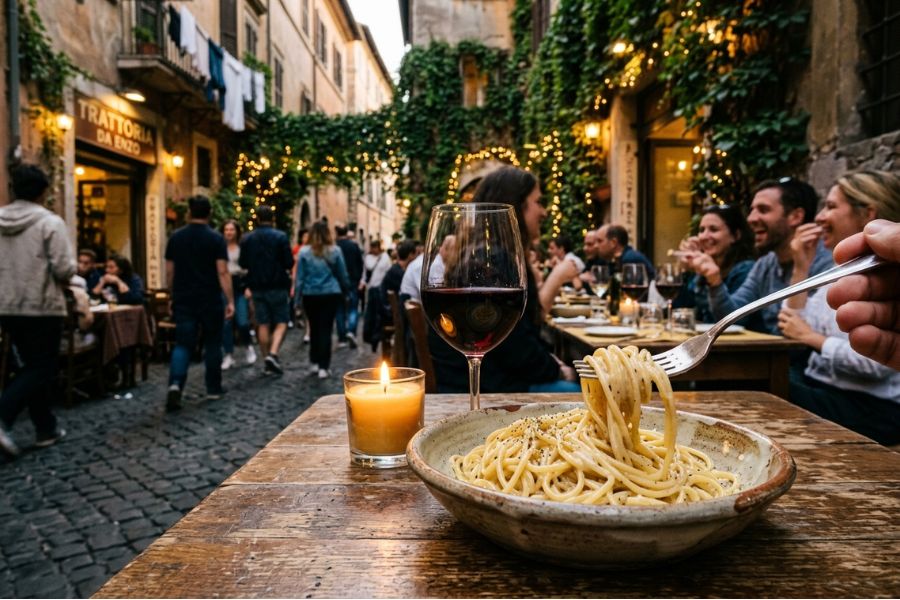
For a “micro-escape” from the noise, spend your evening in Trastevere. Cross the river, find a wine bar on a cobblestone side street, and just watch the city move. It feels much more like the Italy you actually came to see than the tourist traps near the Pantheon.
Where to Stay:
The Iconic Choice: Centro Storico (Pantheon & Piazza Navona) This is the heartbeat of classic Rome. You’ll be within a 10-minute walk of the Pantheon and Piazza Navona.
- The Vibe: High-energy and quintessentially Roman. You’ll wake up surrounded by Baroque fountains and ancient history.
- Best for: First-timers who want to see the main sights entirely on foot.
- Top Pick: Hotel Le Clarisse al Pantheon is a charming choice set in a historic building just steps from the action.
The Trendy Choice: Monti Located just a stone’s throw from the Colosseum; this was once the city’s ancient “Suburra” and is now its coolest neighborhood.
- The Vibe: Bohemian and artistic. Think ivy-clad buildings, vintage boutiques, and cobblestone streets filled with locals sipping wine in the piazzas.
- Best for: Travelers who want a village feel while remaining extremely central and close to the Metro.
- Top Pick: Salotto Monti offers chic, stylish rooms and a terrace with stunning views over the neighborhood.
The “Local” Choice: Trastevere Across the river from the main center, this neighborhood is legendary for its nightlife and narrow, winding alleys.
- The Vibe: Atmospheric and bustling. It feels like a “micro-escape” from the polished center, with laundry hanging over the streets and the best trattorias in the city.
- Best for: Foodies and those who want to experience Rome’s famous evening “passeggiata” and nightlife.
- Top Pick: Hotel Santa Maria is an oasis of calm built into a former convent, featuring a beautiful orange-tree-filled courtyard.
The Elegant Choice: Prati Located just north of Vatican City, this area is characterized by wide boulevards and high-end shopping.
- The Vibe: Sophisticated and residential. It feels more like Paris or Vienna, with grand Art Nouveau buildings and a much quieter atmosphere at night.
- Top Pick: Apollo Boutique Hotel is a sleek, modern option with warm hospitality and great proximity to the metro.
- Best for: Families or travelers who want a more polished, quiet stay near the Vatican MuseumsClick to open side panel for more information.
Days 4–7: Florence & The Heart of Tuscany
The Strategy:
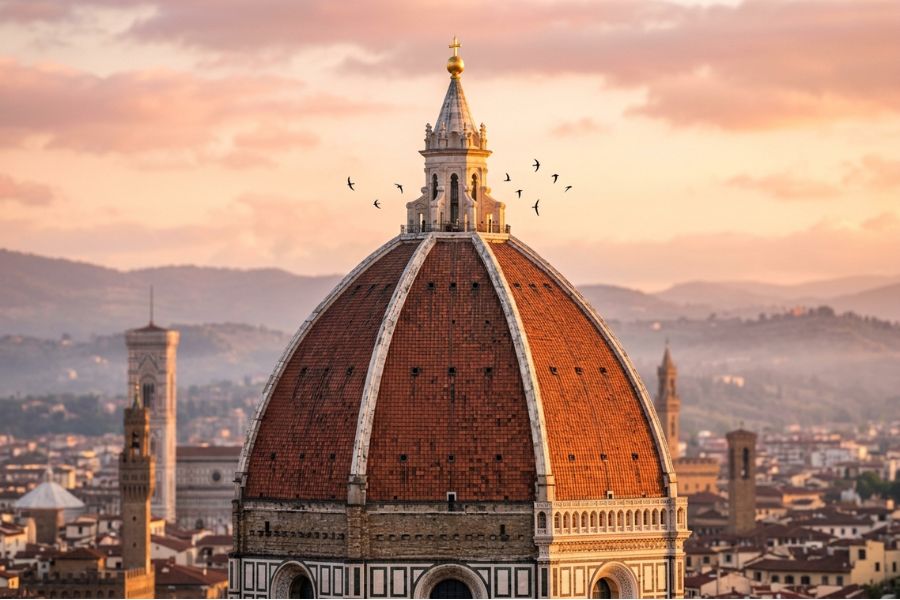
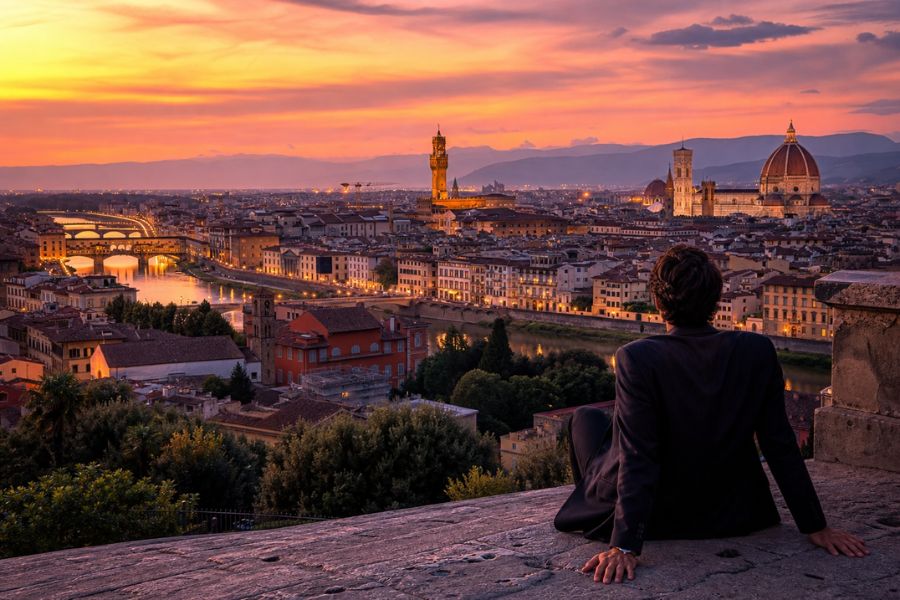
If you only have a few days in the city, don’t try to see every museum. Pick one. The Uffizi is for the painting lovers, and the Accademia is where you go to see Michelangelo’s David. Spend your late afternoon walking up to Piazzale Michelangelo. The view of the skyline as the sun goes down is the ultimate “poetcore” moment. It’s the perfect spot to just sit and exist for ten minutes.
The Detour: Choosing Your Tuscan Escape
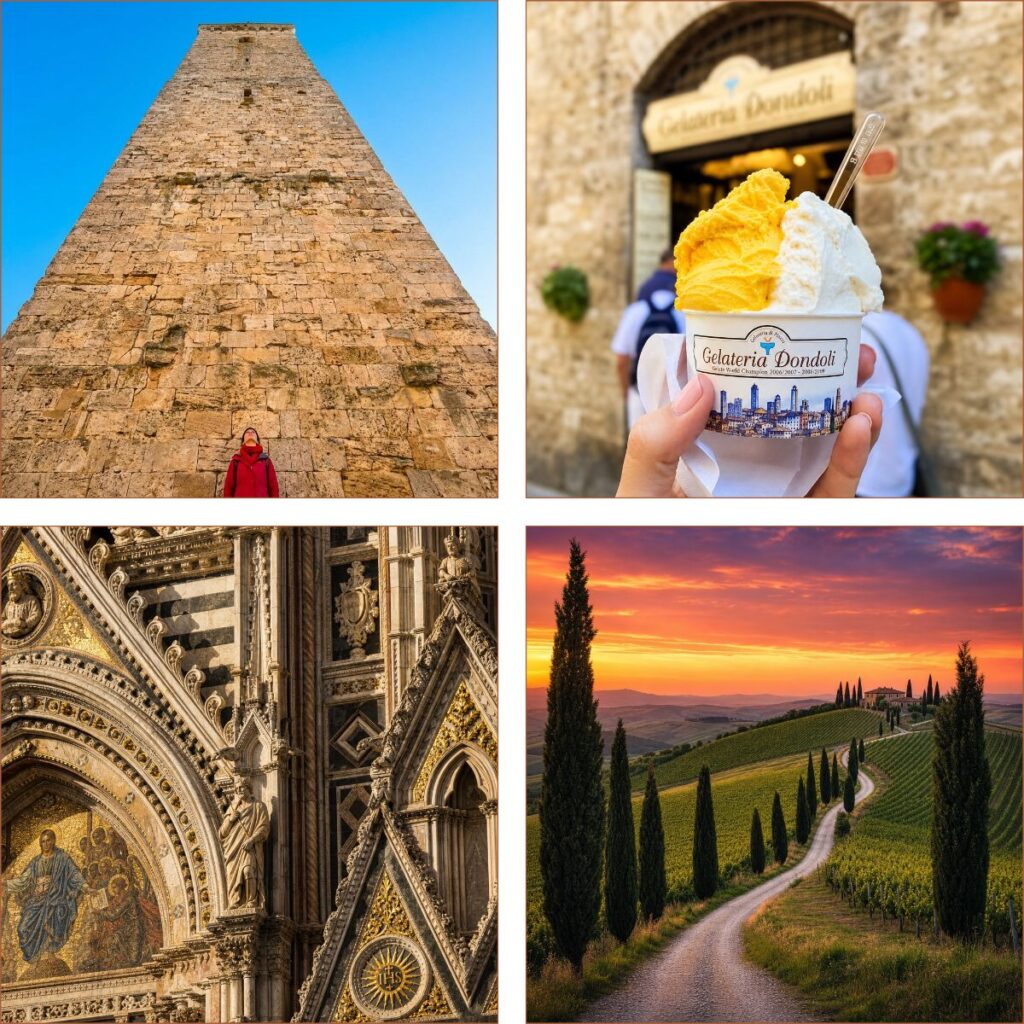
Option 1: Medieval Towers & World-Class Gelato
San Gimignano is a stunning hilltop town famous for its skyline of medieval stone towers.
- Logistics: Easily reached by bus or a combination of train and local bus from Florence.
- The Vibe: Stepping back into the 13th century with some of the best panoramic views in Tuscany.
- Don’t Miss: Gelateria Dondoli, often cited by reviewers as having the best gelato in the world.
Option 2: Iconic Architecture in Pisa
The Leaning Tower of Pisa is one of the most recognizable landmarks on the planet.
- The Vibe: A quick, high-impact visit to the Piazza del Duomo.
- Pro Tip: If you want to climb the tower, you must book a timed entry slot well in advance.
- Logistics: A very easy, direct 1-hour train ride from Florence.
Option 3: The Gothic Glory of Siena
Siena feels like a larger, more majestic version of a medieval village, centered around the shell-shaped Piazza del Campo.
- The Vibe: Deeply historic and slightly more “city-like” than the smaller villages, but still remarkably preserved.
- Highlight: The Siena CathedralClick to open side panel for more information, which many travelers find even more beautiful than the Duomo in Florence.
- Logistics: Best reached via the “Rapida” bus which drops you right in the historic center.
Option 4: Wine Tasting in Chianti
The Chianti region is where you’ll find those rolling hills and cypress trees you see on postcards.
- The Vibe: Slow-paced, agricultural, and focused on the “Dolce Vita.”
- Highlight: Visiting a castle or estate like Castello di Brolio for a tasting of Chianti Classico.
- Logistics: Because of the wine and the rural roads, this is best done via a guided tour or by hiring a private driver for the day.
Where to Stay in Florence:
The Strategic Choice: Near Santa Maria Novella (SMN) If you plan on taking those day trips to Pisa or Siena, stay within a 10-minute walk of the main train station (Santa Maria Novella).
- The Vibe: Busy and practical. You won’t have to drag your luggage across cobblestones for 20 minutes, and you’ll be the first on the train for your day trips.
- Best for: The “efficient traveler” who wants easy logistics.
The Iconic Choice: The Historic Center (Duomo/Signoria) This is the heart of the action. You’ll wake up with the Duomo right outside your window.
- The Vibe: Magical, high-energy, and very touristy. Everything is walkable, but expect crowds the moment you step outside.
- Best for: First-timers who want to be in the middle of the “Renaissance museum” feel.
The “Cool” Choice: Oltrarno (Santo Spirito) Cross the Ponte Vecchio to the “other side” of the Arno river. This is where the locals actually live, eat, and work.
- The Vibe: Bohemian, artisan workshops, and the best nightlife. It’s filled with independent boutiques and the city’s best hidden-gem restaurants.
- Best for: Travelers who want a “micro-escape” (similar to Trastevere in Rome) and a more authentic local feel.
The Elegant Choice: Sant’Ambrogio A bit further east from the Duomo, this neighborhood is centered around a local food market.
- Best for: Foodies and those who want a peaceful night’s sleep.
- The Vibe: Quieter, residential, and sophisticated. You’ll find great food prices here because it’s not purely catered to tourists.
Days 8–10: The Floating City of Venice
The Strategy:
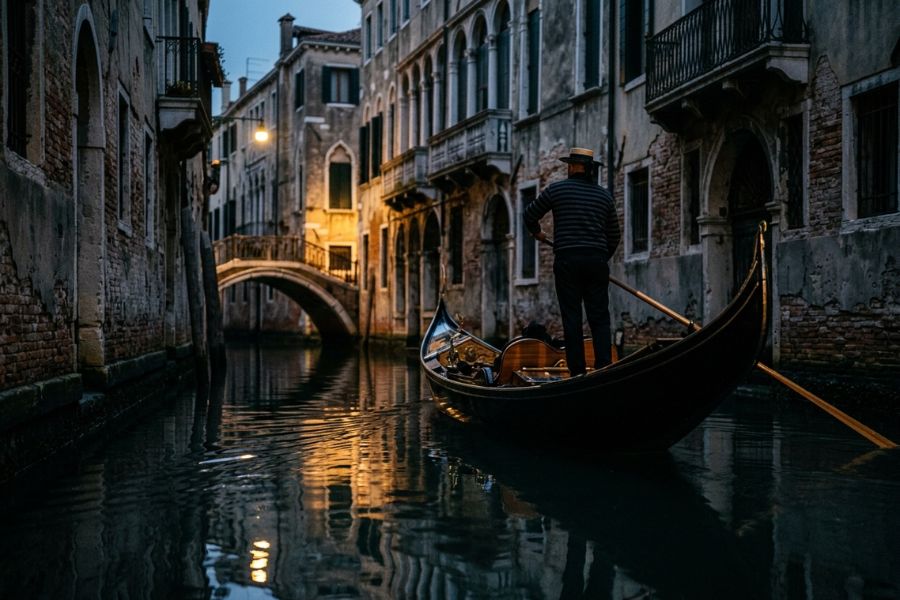
The secret to loving Venice is timing. During the day, St. Mark’s Square and the Rialto Bridge can feel like a bottleneck, and even the Doge’s Palace – one of the city’s absolute must‑sees – is at its best if you arrive right when it opens or slip in later in the afternoon. The trick is to see the big sights very early or very late. After 9:00 PM, the day‑trippers leave, the orchestras start playing in the square, and the city becomes yours. For a classic experience, skip the expensive gondola tours on the Grand Canal and take a Traghetto – it’s a gondola ferry used by locals to cross the canal for just a few euros.
The Vibe:
Put your phone away and get lost. Venice is built for wandering. Cross the small bridges into the Cannaregio district to find quiet canals and authentic “Cicchetti” (Venetian tapas) bars. It’s in these hidden corners where you’ll find the Venice that makes you want to miss your flight—sitting by a canal with a Spritz in hand, watching a delivery boat navigate a tight turn.
Where to Stay in Venice:
The Iconic Choice: San Marco You are in the center of the dream. You’ll be steps away from the Basilica and the Doge’s Palace.
- The Vibe: Majestic, busy, and cinematic. You pay a premium for the location, but there is nothing like seeing the square empty at midnight.
- Best for: Travelers who want to be in the absolute heart of the action.
The Strategic Choice: Cannaregio This is where many locals still live. It’s close to the train station (Santa Lucia), which is a lifesaver when you’re leaving for the airport.
- The Vibe: Gritty, authentic, and charming. It’s home to the Jewish Ghetto and some of the best affordable dining in the city.
- Best for: Travelers who want a quieter, more authentic Venetian experience.
The Trendy Choice: Dorsoduro This is the university and art district, home to the Peggy Guggenheim Collection.
- Best for: Art lovers and those looking for a cool, laid-back evening scene.
- The Vibe: Artistic and youthful. It has a great “piazza culture” at Campo Santa Margherita, where you can grab a drink without the “San Marco” price tag.
Day 10: The Colors of Burano
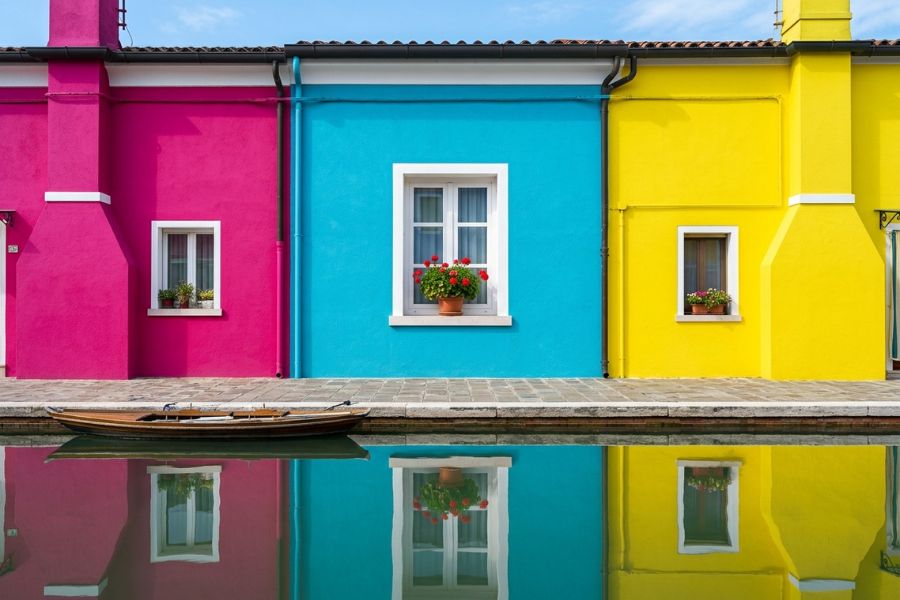
If you have one final afternoon, take the Vaporetto (water bus) out to Burano. It’s a small island famous for its neon-colored houses and lace-making. It’s a photographer’s paradise and a great way to end your trip on a vibrant note before heading to the airport.
Know Before You Go: The 5-Point Checklist
- Book Your “Big Four” Tickets Now: The Colosseum, Vatican Museums, Uffizi, and Accademia sell out weeks in advance. If you don’t book early, you’ll be stuck in those 5-hour lines we talked about.
- The “Coprispalle” Rule: To enter churches (including St. Peter’s and the Duomo), you must have your shoulders and knees covered. Keep a lightweight linen scarf in your bag to throw on before heading inside.
- Download Trenitalia, Italo & Trainline: Don’t mess with paper tickets. Download the official train apps before you go.
- Trenitalia (iPhone only) is perfect for regional and national routes.
- Italo (iPhone + Android) covers Italy’s private high‑speed trains.
- And for Android users – or anyone who wants everything in one place –
- Trainline shows both Trenitalia and Italo schedules, platforms, delays, and lets you book directly.
- iPhone Links: • Trenitalia • Italo • Trainline
- Android: • Italo • Trainline
- Pro Tip: You must “validate” your ticket in the app before boarding to avoid a heavy fine.
- Carry a Reusable Water Bottle: Rome is famous for its nasoni (public drinking fountains). The water is ice‑cold, delicious, and free – just look for the curved iron pipes. A collapsible silicone water bottle is perfect for travel: lightweight, leak‑proof, and folds down small when you’re not using it. Find it on Amazon
- Dinner Starts Late: Most authentic trattorias don’t even open their doors until 7:30 PM. If you see a place serving dinner at 5:00 PM, it’s likely a tourist trap.
Strategic Packing List: The “10-Day Italy” Edition
Since you’ll be hopping between three cities by train, packing light is your best friend. You do not want to lift a 50lb suitcase over the bridges of Venice!
The Essentials
- Walking Shoes: One pair of stylish, broken-in sneakers (like Vejas or Allbirds) and one pair of supportive sandals.
- Linen Everything: It breathes, looks expensive in photos, and dries quickly. A lightweight linen button‑down like this one is perfect for Italy’s warm days.
- Crossbody Bag with a Zip: Pickpockets are common in crowded areas like the Trevi Fountain. A secure anti‑theft crossbody bag like the Travelon Anti‑Theft Classic Messenger bag is a must.
- Portable Power Bank: Venice drains your battery fast – Google Maps, photos, and 4K canal videos will kill your phone by mid‑afternoon. A 20,000mAh fast‑charging power bank like this NOBIS one keeps you powered all day.
The Travel Photography Kit: Capturing the “Treasures”
To truly capture the treasures of Italy, your gear needs to be as versatile as your itinerary. Whether you’re shooting with a mirrorless camera or the latest iPhone, the secret to magazine‑quality images isn’t just the device in your hand – it’s how you work with the light. From cutting glare on the Grand Canal with a polarizing filter to stabilizing a 6:00 AM sunrise shot at the Trevi Fountain, these small tools are what transform a simple snapshot into an immersive memory. And don’t underestimate the basics: between Roman dust and Venetian humidity, a quick wipe with a microfiber cloth is often the difference between a soft blur and a crisp, vibrant gallery.
- FUJIFILM X‑E5 Mirrorless Digital Camera (XF23mmF2.8 Lens Kit – Silver)
- A lightweight, travel‑ready mirrorless camera that delivers sharp, cinematic images straight out of camera – perfect for capturing Italy’s golden light, narrow streets, and iconic architecture without weighing down your day. Find it on Amazon
- Lightweight Camera Tripod (for the FUJIFILM camera)
- Essential for those 6:00 AM “empty city” shots at the Trevi Fountain or crisp, long‑exposure photos of the Venetian canals at night. Find it on Amazon
- Phone Tripod + Selfie Stick (for iPhone/Android)
- Perfect for hands‑free shooting, solo travel portraits, and stable video – with a Bluetooth remote that makes framing effortless. Find it on Amazon
- Freewell Magnetic Lens Hood + Filter Kit (for XF23mm F2.8)
- A magnetic hood and filter system designed specifically for the XF23mm F2.8 lens, giving you PL, UV, and Black Mist filters for richer colors, softer highlights, and better protection while traveling. Find it on Amazon
- MagicFiber Microfiber Lens Cloths
- Between the humidity of the canals and the dust of the Roman Forum, a smudged lens is the leading cause of “blurry” photos. A quick wipe before every shot keeps your gallery sharp and professional. Find it on Amazon
- Samsung T7 Portable SSD (2TB)
- High‑resolution photos and 4K video eat up storage fast. Backing up your files every night at the hotel ensures that a full memory card, or a lost phone, never results in a lost trip. Find it on Amazon
- A “Golden Hour” App
- Download a sun‑tracking app like Lumos, PhotoPills, or SunOnTrack to plan your light with intention. These tools show exactly where and when the sun will hit iconic spots like the Duomo or the Colosseum, making it effortless to time those soft, cinematic “poetcore” moments.
- iPhone:
- Lumos – find in App Store
- PhotoPills – find in App Store
- Android:
- SunOnTrack – find in Google Play store
- PhotoPills – find in Google Play store
- iPhone:
- Download a sun‑tracking app like Lumos, PhotoPills, or SunOnTrack to plan your light with intention. These tools show exactly where and when the sun will hit iconic spots like the Duomo or the Colosseum, making it effortless to time those soft, cinematic “poetcore” moments.
Is 10 days really enough to see Rome, Florence, and Venice?
Yes, 10 days is the “sweet spot” for a first trip. By focusing on these three major hubs and using high-speed trains, you minimize travel time and maximize exploration. This itinerary gives you 3 days per city, which is enough to see the major landmarks without feeling like you’re just checking boxes.
Should I book train tickets between cities in advance?
Absolutely. Italy’s high-speed trains (Frecciarossa and Italo) work like airlines -the earlier you book, the cheaper the fare. Booking a few weeks ahead can save you 50% or more compared to buying at the station, and it guarantees you a seat on your preferred departure time.
Do I need a car for the Tuscany day trips?
For this specific itinerary, a car is not necessary. You can reach Pisa
and Siena easily by train or the “Rapida” bus from Florence. If you want to explore the deep Chianti countryside or visit multiple vineyards in one day, we recommend booking an organized day tour so you don’t have to worry about navigating rural roads or wine-tasting laws
What is the “best” time of year to follow this route?
The shoulder seasons – May to June or September to October – are ideal. You’ll get warm, sunny weather and slightly thinner crowds than in July and August. If you do travel in the summer, remember our “Strategy” tips: start your days at 6:00 AM to beat both the heat and the heaviest tourist waves.
How much walking should I expect?
A lot! Italy is a country best seen on foot, especially in car-free Venice and the historic centers of Rome and Florence. It is common to walk 15,000 to 20,000 steps a day. Pack your most comfortable broken-in walking shoes – this is not the trip for brand-new sandals!
Affiliate Disclaimer:
This post contains affiliate links. If you make a purchase through these links, I may earn a small commission at no extra cost to you. Read my full Disclosure here